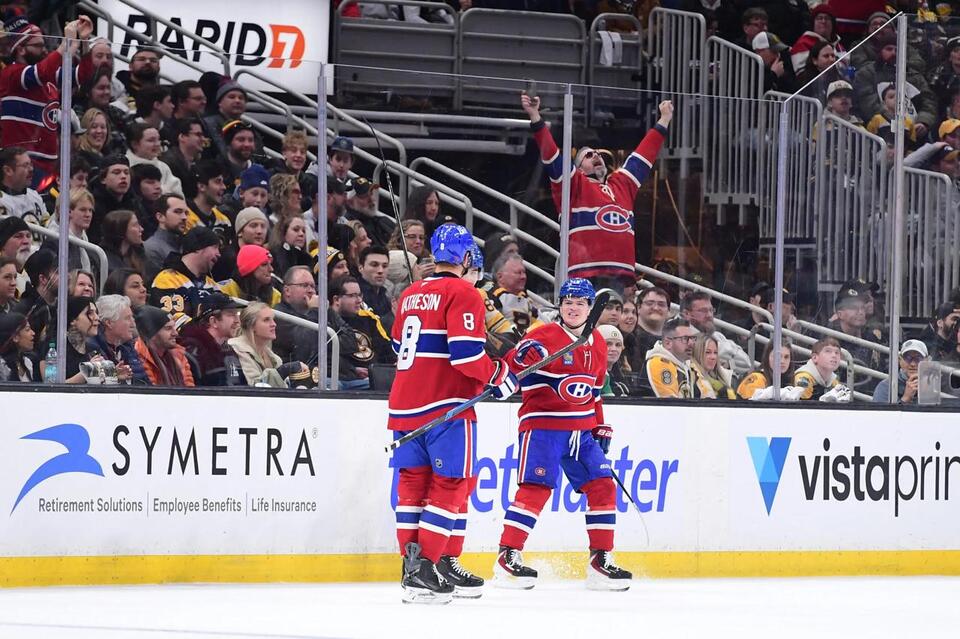
The Montreal Canadiens find themselves in an intriguing and somewhat unfamiliar position as the NHL approaches its annual trade deadline. Traditionally, the Habs have often been sellers, but this season, under the astute management of GM Kent Hughes, they are firmly positioned in a playoff slot with 62 points. This positive standing means the Montreal Canadiens are buyers, albeit with a unique strategic approach dictated by the impending March 6th deadline and the unusual wrinkle of the 2026 Winter Olympics in Milano Cortina.
This Olympic hiatus has introduced a roster freeze, momentarily pausing official transactions across the league. For Hughes and President Jeff Gorton, this period is less about inaction and more about intensified back-channel discussions and meticulous evaluation. The coming weeks will be critical in determining whether this promising young core is truly ready for a deep postseason run, or if some surgical, high-value additions are necessary to solidify their competitive edge without compromising the long-term vision. The balancing act between present aspirations and future stability defines Montreal's current deadline strategy.
Navigating the Olympic Roster Freeze: A Unique Deadline Environment
The NHL's decision to implement an Olympic roster freeze, running from February 4th to February 22nd, has created an unprecedented landscape for front offices. While it prohibits official player transactions, it by no means halts the intricate dance of trade negotiations. Instead, it transforms into a strategic "waiting room," allowing General Managers like Kent Hughes to engage in discreet, back-channel discussions, laying the groundwork for deals that can be executed immediately upon the league’s resumption.
This "mini-deadline" environment is a double-edged sword. On one hand, it prevents impulsive, last-minute decisions, forcing teams to conduct deeper analysis and due diligence. For the Canadiens, with stars like Nick Suzuki and Juraj Slafkovsky chasing gold in Italy, it offers a unique opportunity to scout international talent firsthand while assessing their own roster's health and performance from a distance. The Bell Centre may be quiet until the Islanders visit on February 26th, but the focus has merely shifted from the ice to the analytical side of the game. Fans, too, are engaging with the league differently, following Olympic broadcasts while simultaneously diving into advanced stats on platforms like NHL EDGE and even trade simulators, projecting hypothetical roster values.
From a strategic standpoint, this pause can be immensely beneficial. It provides a buffer for teams to objectively evaluate the market, identify true needs, and avoid emotional overpayments. For a team like the Canadiens, committed to a long-term rebuild while simultaneously competing, this forced period of reflection aligns perfectly with their measured approach. It ensures that any acquisition, once the freeze lifts, is a calculated decision aimed at genuine enhancement rather than a reactionary splurge.
Montreal Canadiens as Buyers: Strategic, Not Overly Aggressive
Despite their comfortable playoff position, the prevailing sentiment within the Canadiens' organization, as echoed by insiders like Pierre LeBrun, is that while the Montreal Canadiens are buyers, they will not be overly aggressive in pursuing big-name, high-cost acquisitions. GM Kent Hughes has consistently demonstrated a commitment to long-term sustainability, a philosophy that dictates he will not risk the future by overpaying to solve present challenges. This disciplined approach is crucial for a team still building its foundational core.
Instead, the Canadiens are reportedly entertaining "hockey trades"—deals where the aim is to swap assets of similar value, addressing specific needs without significantly depleting future draft capital or sacrificing key prospects. Hughes has a proven track record of such astute maneuvers, exemplified by his acquisitions of Kirby Dach and Alex Newhook, both of whom have seamlessly integrated into the team's burgeoning young core. These types of moves enhance the team's present capabilities while maintaining the overall integrity and future potential of the roster.
A significant factor influencing this strategy is the impending return of key offensive firepower. The Canadiens have played a substantial portion of the season without several impactful players, whose re-entry into the lineup will naturally boost the team's depth and scoring punch. This internal improvement lessens the urgency for a blockbuster trade, allowing management to be more selective and patient in their pursuit of external additions. However, President Jeff Gorton's reported willingness to be aggressive for the "right fit" suggests that if an ideal, high-impact player becomes available at a reasonable price, the Canadiens won't hesitate. This nuanced approach highlights the delicate balance between playoff aspirations and future stability. For an in-depth look at this strategic tightrope walk, read our related article: Habs Trade Deadline Strategy: Balancing Playoff Push & Future.
Targeted Upgrades: Bottom-Six, Defense, and Goaltending Considerations
When considering where the Canadiens might direct their buying efforts, the focus isn't on a splashy top-line forward or a perennial Norris candidate. Instead, reports suggest a preference for veteran stability, particularly for the bottom-six forward group and defensive pairings. These are areas where experience and reliable two-way play can significantly bolster a young, developing roster preparing for the grind of playoff hockey.
- Bottom-Six Forwards: Adding a veteran presence who can win faceoffs, kill penalties, and provide consistent effort would free up younger players to focus on their offensive development. The emergence of Zachary Bolduc, acquired from St. Louis last summer, has been a significant positive. With 23 points in 57 games, Bolduc has solidified his spot in the middle-six, reducing the need for a major offensive acquisition and allowing the Canadiens to target more complementary skill sets.
- Defensive Pairings: A steady, experienced defenseman who can log minutes, provide leadership, and improve defensive zone exits would be invaluable. Such an addition wouldn't necessarily be a top-pair player, but someone who can stabilize a pairing and provide reliability in high-pressure situations.
- Goaltending: While goaltending has struggled at times this season, it appears to be less of a primary focus for a significant external upgrade. This could be due to a belief in the current internal options, the lack of suitable upgrades that align with the team's long-term vision and budget, or simply a strategic decision to prioritize other areas where an impact player can be acquired without overpaying. Often, a strong defensive core can alleviate pressure on goaltenders more effectively than a rushed, expensive goalie acquisition.
The key for Hughes will be identifying players who not only fill a roster hole but also possess the right character and fit within the Canadiens' team culture, contributing positively both on and off the ice without demanding a premium price that jeopardizes future flexibility.
The Patrik Laine Conundrum: Unlocking Cap Space for Strategic Moves
One of the most intriguing subplots surrounding the Canadiens' deadline plans revolves around veteran winger Patrik Laine. Rumours have resurfaced about the possibility of Montreal moving Laine's substantial $8.7 million cap hit. This is a significant piece of the puzzle, especially considering Laine has been limited by core-muscle surgery recovery this season, making his cap hit a considerable factor in any deadline math.
From a strategic perspective, shedding Laine's salary would immediately open up substantial cap space. This financial flexibility could be a game-changer for the Canadiens. While they've indicated they won't be overly aggressive for "big names," cap space allows for several options:
- Retain Salary in a Trade: With more cap space, the Canadiens could act as a third-party broker in a trade, taking on a small portion of a player's salary from another team in exchange for draft picks or prospects.
- Acquire a Higher-Impact Player: Should a truly valuable player become available that fits the "right fit" criteria at a more palatable price, the freed-up cap space would allow Hughes to absorb their contract without issue. This doesn't necessarily mean a "big-name" superstar, but perhaps a highly effective player whose current team is looking to shed salary.
- Future Flexibility: Even if the cap space isn't immediately utilized at the deadline, it provides critical flexibility for future signings, extensions, or potential off-season moves.
Moving a player like Laine is a complex undertaking, especially with his injury history and significant contract. However, if Hughes can orchestrate such a deal, it would demonstrate a shrewd understanding of asset management and cap gymnastics, potentially enabling the Canadiens to make more impactful additions than initially anticipated, without sacrificing long-term assets. For a deeper dive into how this potential move could reshape Montreal's strategy, explore our article: Patrik Laine's Future: Opening Cap Space for Habs Deadline Buys?.
As the Olympic freeze thaws and the March 6th trade deadline looms, the Montreal Canadiens are poised for a fascinating stretch of activity. GM Kent Hughes is in a unique position, navigating playoff aspirations with a firm commitment to future stability. The Habs are undoubtedly buyers, but their approach will be measured and strategic, focusing on "hockey trades" that enhance veteran stability and complement their burgeoning young core. Whether through targeted additions for the bottom-six and defensive pairings, or potentially by leveraging significant cap space from a Patrik Laine trade, the goal remains consistent: to make smart, calculated moves that bolster the team's present playoff push while safeguarding its long-term future. The next few weeks will undoubtedly set the stage for the Canadiens' final sprint towards the postseason, with every move meticulously calculated to propel this young team forward.